



Think you’ve seen everything that happens at Pilgrims’? Think again… 🎉
We’re starting our summer highlights series with our incredible #Athletics Finals Day, and what a day it was. With our Prep boys taking to our incredible Wolvesey Castle fields the boys put on a show, with a number of new school records too. Well done, boys! 🏃
What highlight is coming next? 🤔
#tobeapilgrim #schoollife #schoolfamily #winchester

Yesterday, we said goodbye to our incredible leavers. 💚
We are so incredibly proud of each and every one of them and everything they’ve achieved during their time here at Pilgrims’. It has been a privilege to watch them grow, learn and flourish, and we know they have bright futures ahead.
We’d like to wish all of our leavers and their families the very best as they embark on their next adventure.
But don’t worry… this isn’t the last you’ll see of them! 👀✨
#tobeapilgrim #schoollife #schoolfamily #winchester #bsaboarding
🎨 Art and DT exhibition 🪚
Tonight saw the culmination of the work by our boys in Art and DT. With some truly staggering work on display the boys have showed amazing discipline, creativity and resilience which can certainly be seen in the final product.
A big thank you to our Art teacher, Ros Priddle and our DT teacher Amy Herbert who have inspired the boys and curated tonight’s exhibition.
#tobeapilgrim #schoollife #schoolfamily #creativearts
Our Year 8 had a fantastic time at the @chalkehistoryfestival where they had hands on experiences and inspiring talks 🛡️
#tobeapilgrim #schoollife #schoolfamily #winchester #history
Not only did we have our whole school photo yesterday, but we also had various photographs of our Year 8 boys taken.
We could not be more proud with how this year has done, not just their exams but throughout the year.
Can you guess some of the combinations taken? 📸
#tobeapilgrim #schoollife #schoolfamily #winchester #bsaboarding
Whole School Photo - complete ✅
The weather just held off for our whole school photo 2026 in front of @winchestercathedral
#tobeapilgrim #schoollife #schoolfamily #winchester #bsaboarding
A special shared #forestschool today in our river garden, celebrating all our families for #fathersday and showing just some of what we do in the younger years.
🌳🌲🦆
#winchester #preprep
Swimming in the pool followed by toasted marshmallows on the extra curricular menu for tonight’s boarding taster night.
Our setting really does make a difference to what we do and how we spend summer evenings.
. #Winchester #bsaboarding #hampshireprepschool
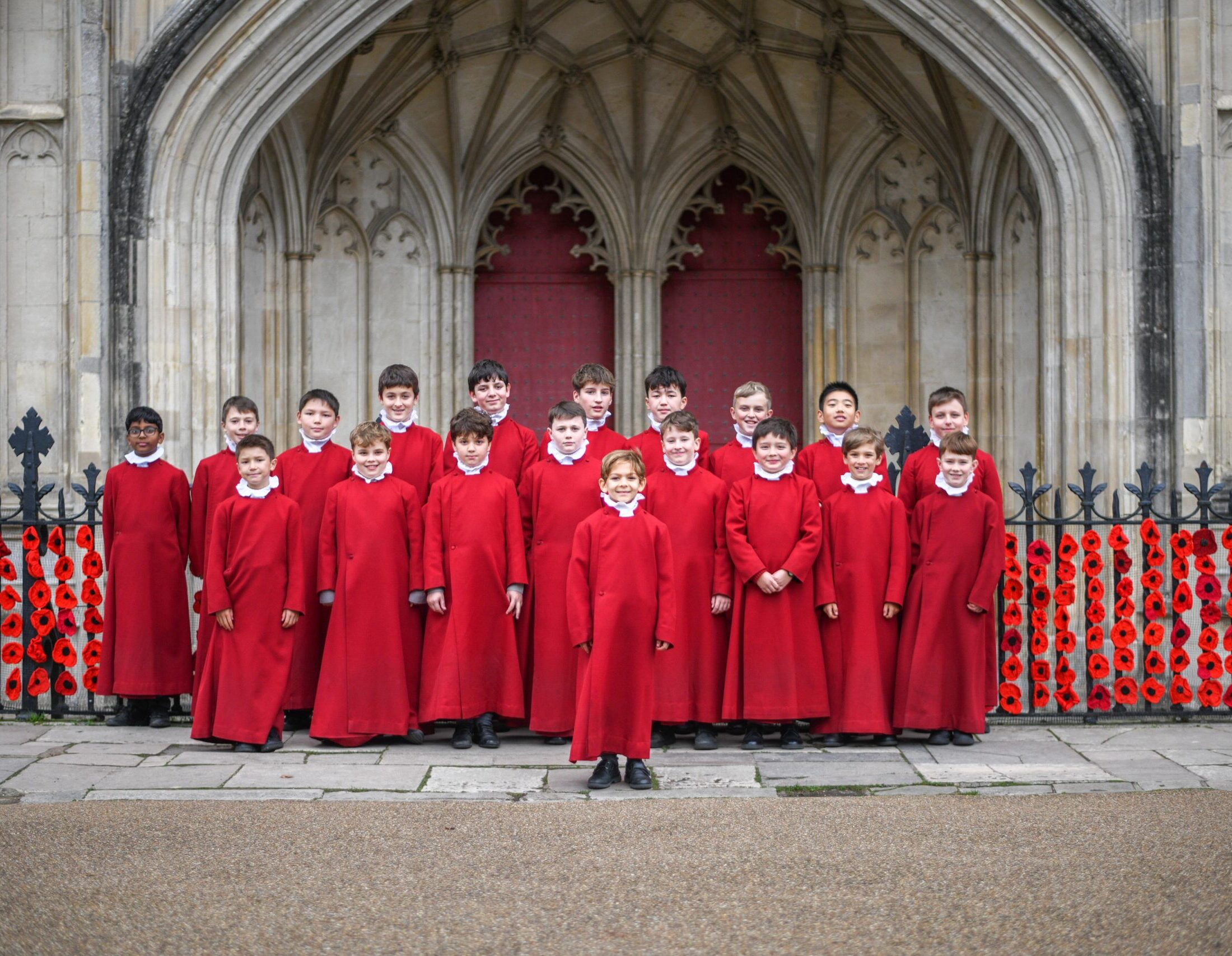
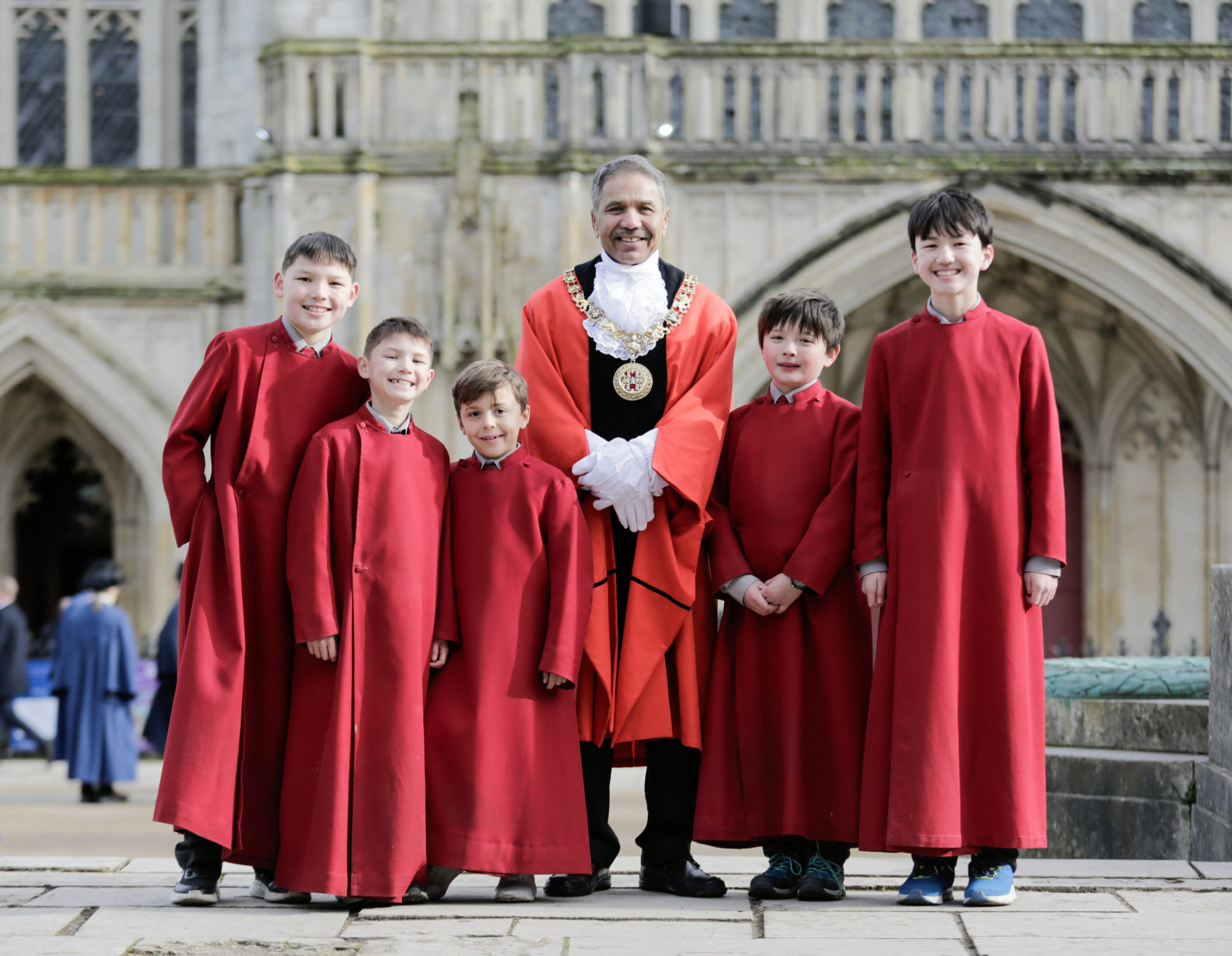
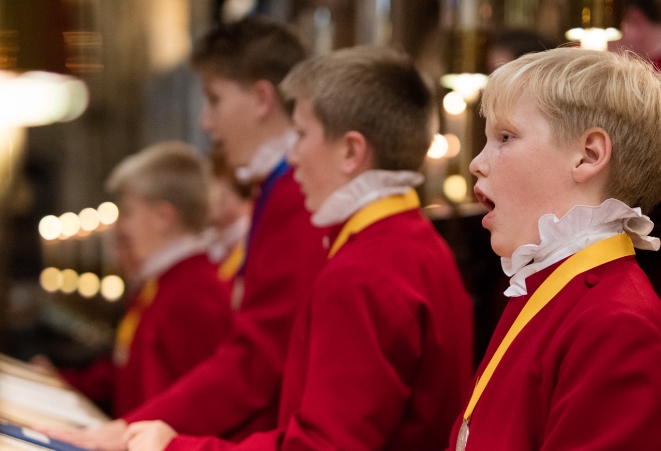
We have 22 Cathedral Choristers and 16 College Quiristers at Pilgrims’. Known in school as ‘the Cs and Qs’, or, ‘the reds and the blues’, they enjoy the same rounded education and opportunities as their classmates.
Our Cs and Qs receive what is arguably the greatest musical education possible for a young boy. Singing daily to the highest standard, our choral scholars acquire an instinctive appreciation of music and an enviable knowledge of choral works, ranging from mediaeval plainsong to new works commissioned by modern composers. All the boys learn to sight-read.
The school’s music curriculum complements the boys’ vocal training, with theory lessons, composition and history of music completing their rounded musical education.

Choristers sing for the Cathedral and Quiristers sing for the College. Both are professional choirs.
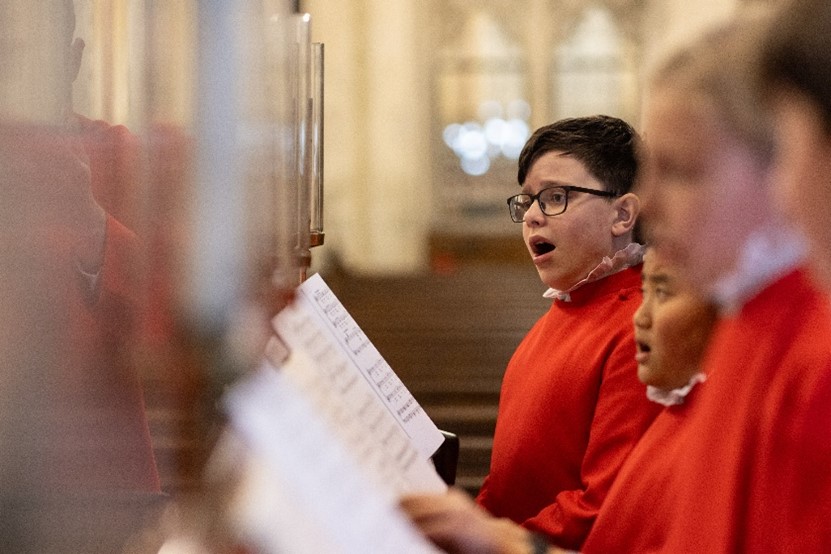

The musical offering at Pilgrims’ is second to none. We’re unique in being a ‘double choir school’, with two professional choirs serving two separate choral foundations. We also have four additional school choirs. Most boys learn two instruments (every orchestral instrument can be taught by visiting specialists) and performance opportunities take place regularly. We find music brings many benefits in other areas too, in terms of brain development and simply feeling good.
The first step is to contact the school when your son is 7 or 8 years old (but no earlier than the summer term of Year 2) to arrange a very informal pre-audition and a chat with Mr Andrew Lucas, Interim Director of Music and Organist for Winchester Cathedral, and Mr Dónal McCann, the Director of Music for Winchester College Chapel Choir.
The informal audition is very relaxed and casual, just a chance for us to hear your son sing, and for him to try out listening and voice tests that will be used at formal auditions. No training is needed, just enthusiasm and a passion for singing.
Your son will be asked to:
After they’ve heard your son sing, Mr Lucas and Mr McCann will chat with you about your son’s potential, and let you know if they’d like him to come to a formal audition.


Set in the heart of Winchester’s Cathedral Close, the school enjoys a unique and peaceful setting between Winchester Cathedral and Winchester College, with the city on its doorstep and the South Downs countryside just beyond.
The Pilgrims' School, Winchester
Outstanding prep school in Winchester for boys aged 4-13, day and boarding.
Think you’ve seen everything that happens at Pilgrims’? Think again… 🎉
We’re starting our summer highlights series with our incredible #Athletics Finals Day, and what a day it was. With our Prep boys taking to our incredible Wolvesey Castle fields the boys put on a show, with a number of new school records too. Well done, boys! 🏃
What highlight is coming next? 🤔
#tobeapilgrim #schoollife #schoolfamily #winchester ... See MoreSee Less
Yesterday, we said goodbye to our incredible leavers. 💚
We are so incredibly proud of each and every one of them and everything they’ve achieved during their time here at Pilgrims’. It has been a privilege to watch them grow, learn and flourish, and we know they have bright futures ahead.
We’d like to wish all of our leavers and their families the very best as they embark on their next adventure.
But don’t worry… this isn’t the last you’ll see of them! 👀✨
#tobeapilgrim #schoollife #schoolfamily #winchester #bsaboarding ... See MoreSee Less
🎨 Art and DT exhibition 🪚
Tonight saw the culmination of the work by our boys in Art and DT. With some truly staggering work on display the boys have showed amazing discipline, creativity and resilience which can certainly be seen in the final product.
A big thank you to our Art teacher, Ros Priddle and our DT teacher Any Herbert who have inspired the boys and curated tonight’s exhibition.
#tobeapilgrim #schoollife #schoolfamily #creativearts ... See MoreSee Less